Before we talk about subtraction facts, we need to slow down and talk about subtraction itself.
Step one in teaching subtraction fluency is making sure students understand what subtraction is and what it does. Subtraction is not just a set of facts to memorize. It represents relationships between numbers, and those relationships are much heavier and more complex than what students encountered with addition.
Subtraction can indicate taking away, taking apart, or comparison.
Taking away is the most intuitive for young students. Six-year-olds understand this version naturally. Something is there, something is removed, and we see what is left. Counting backwards fits this meaning of subtraction, and for many students it is an important first strategy. It connects subtraction to the count sequence and helps students make sense of what is happening to the quantity.
Taking apart builds on part whole thinking. This is trickier. Nothing is physically removed, but students are asked to see a whole as being made up of parts. This understanding is essential if we want students to connect subtraction to addition. Remember, the part/whole relationship is a number sense relationship. This is another example of why strong number sense informs fact fluency!
Comparison is the most abstract. Nothing is taken away and nothing is split. Students are asked to determine how much more or how much less one quantity is than another. When we are talking about how much less specifically we are asking students to find an amount that does not exist and what is missing. This is really tricky for students! Counting on is a strategy that fits naturally here.
All three of these ideas need to be understood before we worry about fluency. Counting backwards, counting on, and modeling subtraction situations are the strategies we are using at this stage but (spoiler alert) they are NOT the strategy we will use when we are prompting fluency. These strategies are necessary for understanding but are not efficient long-term strategies for fact fluency.
So we don’t shame these strategies but we do aim to outgrow them.
Step 2: Connecting Subtraction to Addition
Once students understand subtraction and what it represents, instruction needs to shift.
Subtraction fluency does not develop by treating subtraction as a brand-new list of facts to memorize. Students already know a growing bank of addition facts. It is far more efficient to draw from those known facts than to ask students to learn an entirely new set of isolated subtraction facts.
This is where fact families and missing addend problems come in.
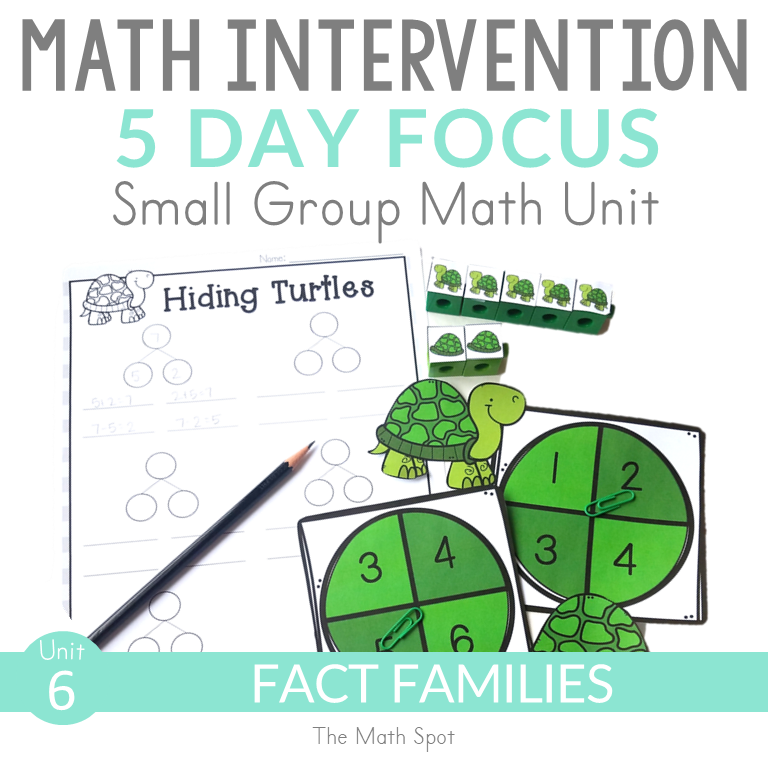
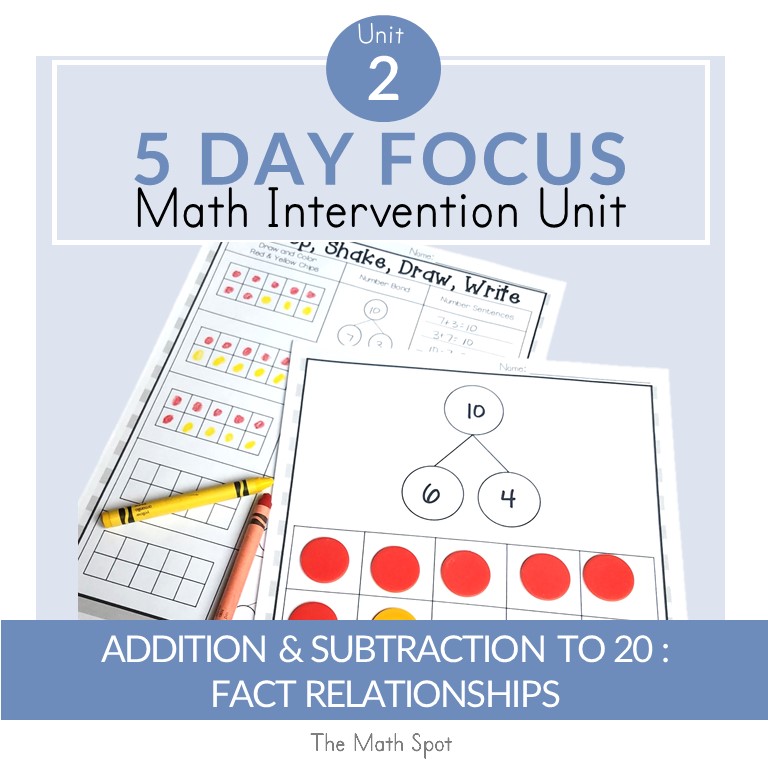
When students work with fact families, they see that:
5 + 3 = 8
3 + 5 = 8
8 − 5 = 3
8 − 3 = 5
These are not four separate facts. They are one relationship viewed from different angles.
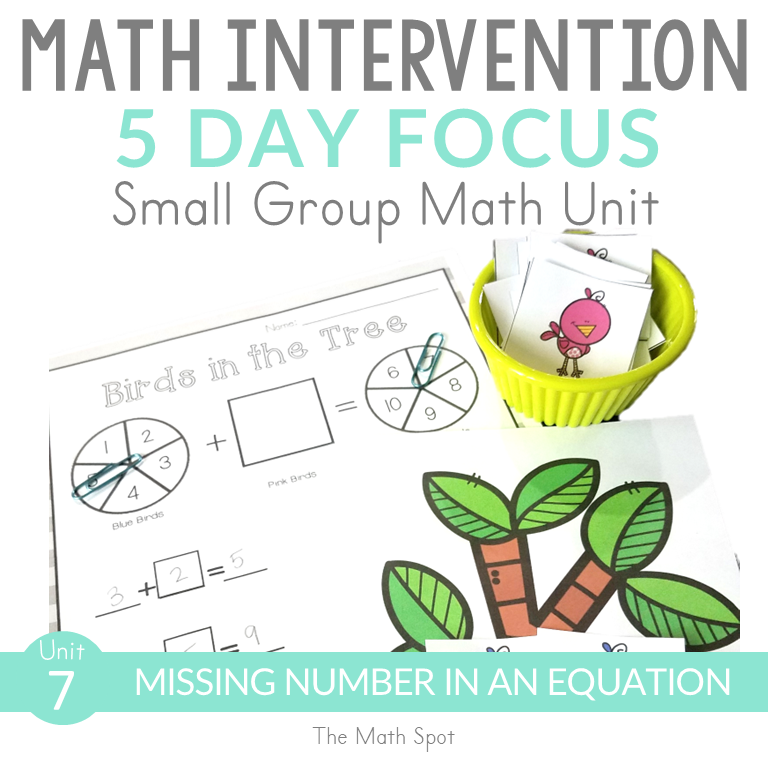
Missing addend problems reinforce this same idea. When students see 8 − 5 and think “5 and what make 8?”, they are using addition to subtract. This is what we mean when we say “think addition.”
Students already have addition facts stored. Asking them to draw from that knowledge reduces the cognitive load and improves subtraction fluency at a much quicker rate than starting from scratch, learning over 100 new subtraction facts.
This Is a Critical Pivot.
We do not skip understanding subtraction. We do not skip take away, counting back, or comparison situations. We do not jump directly to thinking addition before students know what subtraction is asking them to find.
But once that meaning is in place, sticking with subtraction strategies alone limits students.
This is the same tension we saw with addition. Earlier, I said “Don’t jump straight to flashcards.” And then later I said, “Repeated recall is important.” That was not a flip-flop, it was a matter of timing. Don’t jump to recall to early but know that later it will be important!
The same thing is happening here. Understanding subtraction comes first. Connecting subtraction to addition comes next. Efficiency comes over time. None of these ideas are wrong, but they are important at different points in the learning process.
Instruction should respond to students, not averages
Some students will move from understanding to memorization very quickly. When teachers see that happen, it can be tempting to assume the same strategies and timelines should work for everyone. Those are rarely the students teachers are worried about when they ask for help with subtraction facts.
Students who struggle with subtraction often need more time with meaning, more support making connections, and many opportunities to apply those connections before recall becomes automatic. Be sure your instruction responds to students, not averages.
Bringing it all together
Subtraction fluency grows out of:
- Understanding what subtraction represents
- Seeing subtraction as part/whole thinking
- Connecting subtraction to addition through fact families
- Using known addition facts to subtract efficiently
- Providing repeated opportunities to retrieve those facts over time
Related Resources from The Math Spot